ᑭᐦᒋᐃᔑᓭᐃᐧᓇᐣ ᒥᓇ ᑲᐊᑕᐁᐧᓭᐠ ᐃᐡᑯᑌ
Wataynikaneyap Power works with a local distributor, Hydro One Remote Communities, to bring Wataynikaneyap grid connected First Nations cleaner, safer, and more reliable electricity. Read about Wataynikaneyap Power’s role in the Ontario power system here.
ᐁᑲᐧ ᐊᐧᑌᓂᑲᓂᔭᑊ ᐃᐡᑯᑌ ᐁᐦᐊᐣ ᐅᐃᐧᑕᓄᑭᒪᐣ ᐊᔾᐃᑎᕑᐅ ᐯᔑᐠ ᓄᐱᒥᐠ ᑕᔑᑫᐃᐧᓇᐣ ᑲᑕᑲᐧᑭᐣ, ᒥᐡᑯᐨ ᒋᐱᒧᒋᑲᑌᐠ ᐅᐁᐧ ᑲᐸᔦᑭᒋᑫᒪᑲᐠ ᐃᐡᑯᑌ ᐅᒪ ᑲᐅᒋᓇᐸᐱᑫᔑᓂᐊᐧᐨ ᐊᐧᑌᓂᑲᓂᔭᑊ ᐃᐡᑯᑌᐃᐧᔭᐱᑲᐠ ᐅᑫᐧᓂᐊᐧᐣ ᐊᓂᔑᓇᐯᐃᐧ ᑕᔑᑫᐃᐧᓇᐣ, ᒥᓇ ᑲᐊᔭᑲᐧᒥᓯᒪᑲᐠ ᐁᑲᐧ ᑲᒥᓄᓭᐠ. ᐁᑲᐧ ᐊᔭᒥᑐᐠ ᐊᐧᑌᓂᑲᓂᔭᑊ ᐊᓂᐣ ᒪᔭᑦ ᑲᐃᓇᑭᓯᐨ ᐅᒪ ᐅᐣᑌᕑᐃᔪ ᐃᐡᑯᑌ ᑲᐃᔑᑕᑲᐧᐠ.
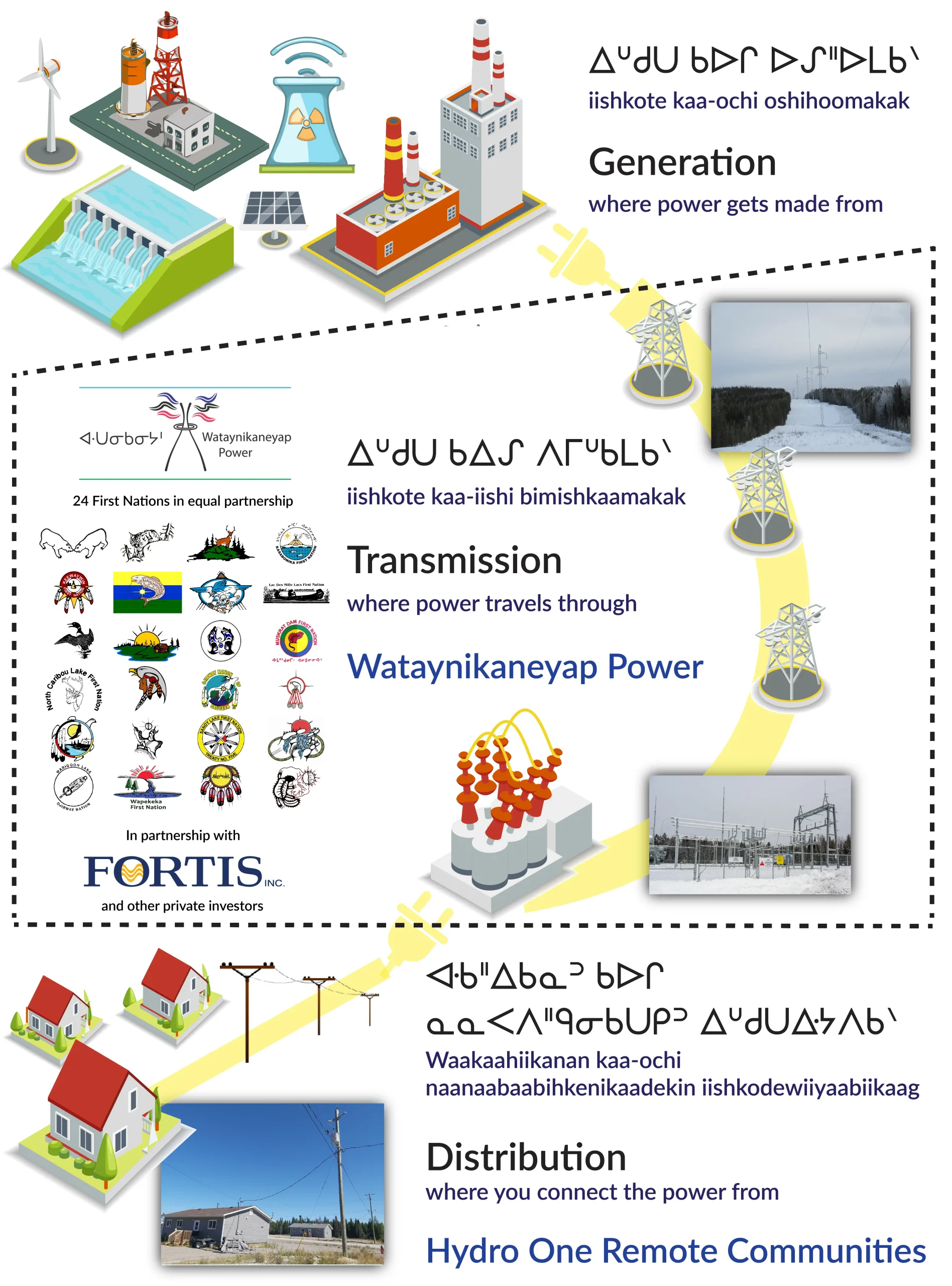
Hydro One Remote Communities is responsible for power distribution within your community and is the communities’ first point of contact for outages, emergency protocols, wildfires, evacuations, or reporting damage to the system.
ᐁᑲᐧ ᐊᔾᐃᑎᕑᐅ ᐯᔑᐠ ᓄᐱᒥᐠ ᑕᔑᑫᐃᐧᓇᐣ ᐸᐸᒥᓯ ᑫᒋᓇᐨ ᐃᐡᑯᑌ ᒋᑕᑲᐧᐠ ᐃᒪ ᑭᑕᔑᑫᐃᐧᓂᐠ ᐁᑲᐧ ᐊᒥᐅᐁᐧ ᒪᐊᐧᐨ ᐁᓂᑲᓂᑲᓇᐊᐧᐸᒋᑲᑌᐠ ᑭᐡᐱᐣ ᐊᐱᐣ ᑲᔭᑕᐁᐧᓭᐠ, ᒥᓇ ᑭᐦᒋᐃᔑᓭᐃᐧᓇᐣ ᐸᑯᓭᐣᒋᑫᐃᐧᓇᐣ ᑲᔭᐸᑕᑭᐣ, ᒥᓇ ᑲᑭᐦᒋᓴᑭᑌᐠ, ᒥᓇ ᑲᒪᒋᐸᐦᐊᑲᓄᐊᐧᐨ ᐊᐃᐧᔭᐠ, ᒥᓇ ᑲᐃᐧᒋᑲᑌᐠ ᐊᐸᒋᒋᑲᐣ ᑲᒪᒋᓭᐠ ᐅᒪ ᐃᐡᑯᑌᐃᐧ ᐱᒧᒋᑫᐃᐧᓂᐠ.
Hydro One Remote Communities have a 24/7, toll-free number for all questions and concerns:
ᐁᑲᐧ ᐊᔾᐃᑎᕑᐅ ᐯᔑᐠ ᓄᐱᒥᐠ ᑕᔑᑫᐃᐧᓇᐣ 24/7 ᐊᔕᐧᐱ, ᐁᑲ ᑲᑎᐸᐦᐃᑲᑌᐠ ᒪᒋᑭᑐᐣ ᑭᐡᐱᐣ ᑲᑫᐧᑌᐃᐧᓇᐣ ᒥᓇ ᒪᒥᑎᓀᐣᑕᒥᐦᐃᐁᐧᐃᐧᓇᐣ:
1-888-825-8707
Power Outages
If you are experiencing a power outage in one of the First Nations connected to the provincial grid via the Wataynikaneyap system, call Hydro One Remote Communities. They are prepared to respond 24/7 to outages and other issues.
A list of upcoming planned outages is available from Hydro One Remote Communities:
Reporting Damage
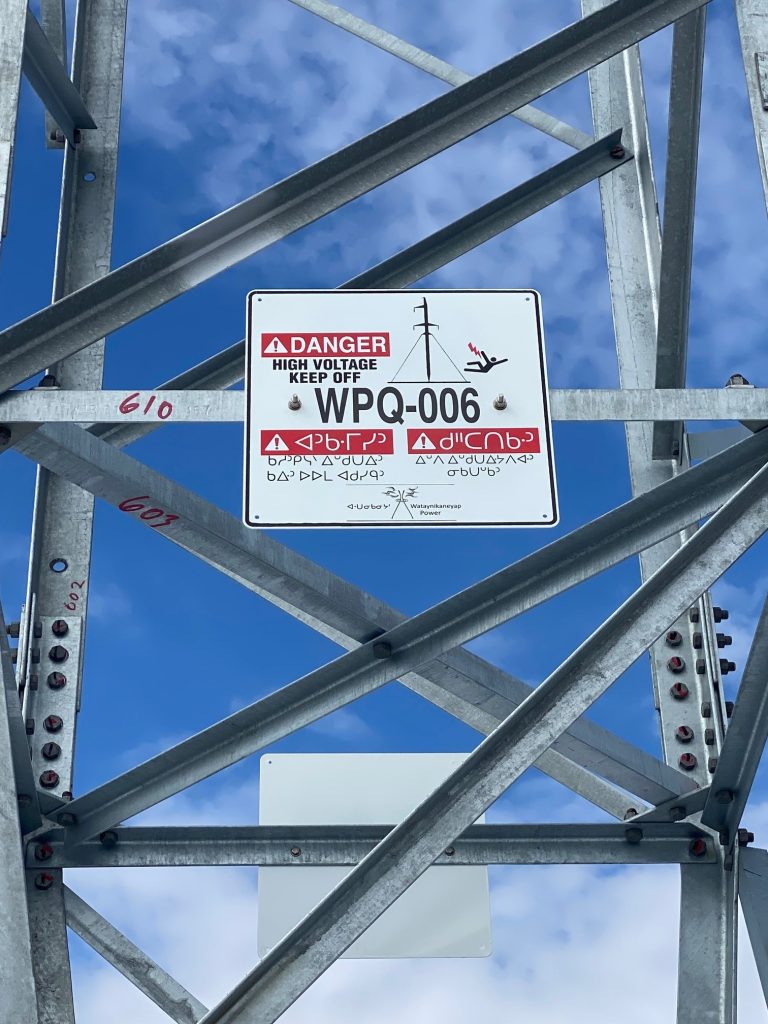
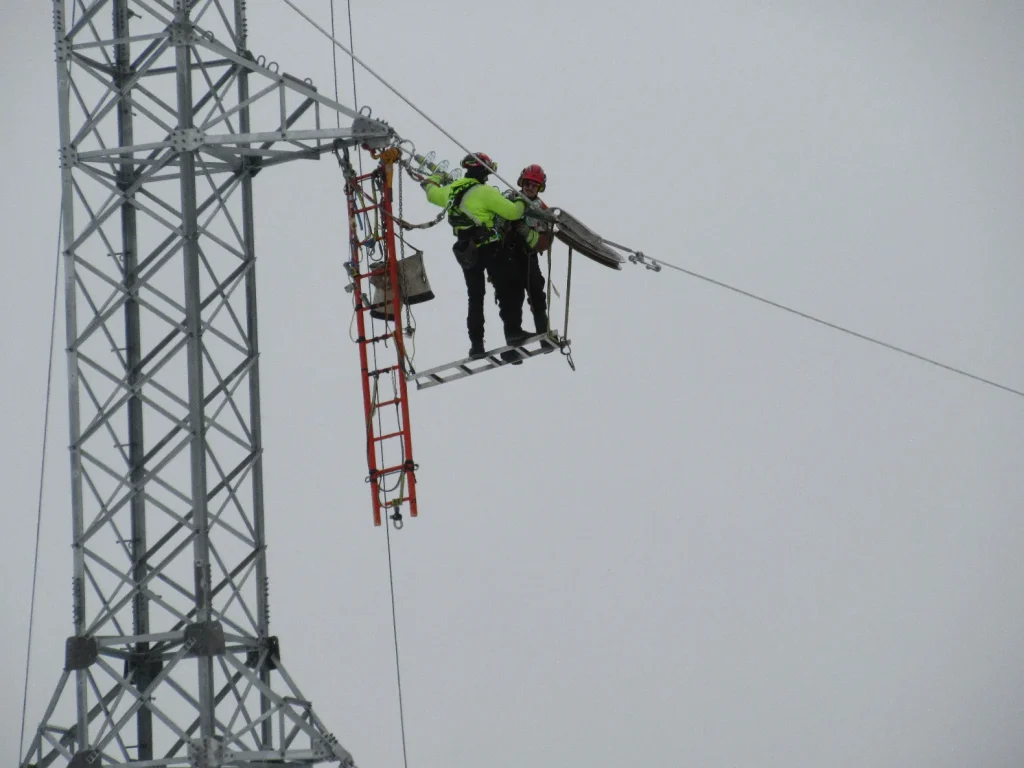
If you see any damage on the transmission system, like a fallen tower or conductor (wire), do not approach. Call Hydro One Remote Communities as soon as you are safely away from the transmission line and inform them where you were and what you saw. Always treat damaged transmission towers and conductors like they are dangerous and energized. Move at least 10 metres (33 feet) away.
Hydro One Remote Communities will inform Wataynikaneyap Power and Wataynikaneyap Power will respond to the situation.
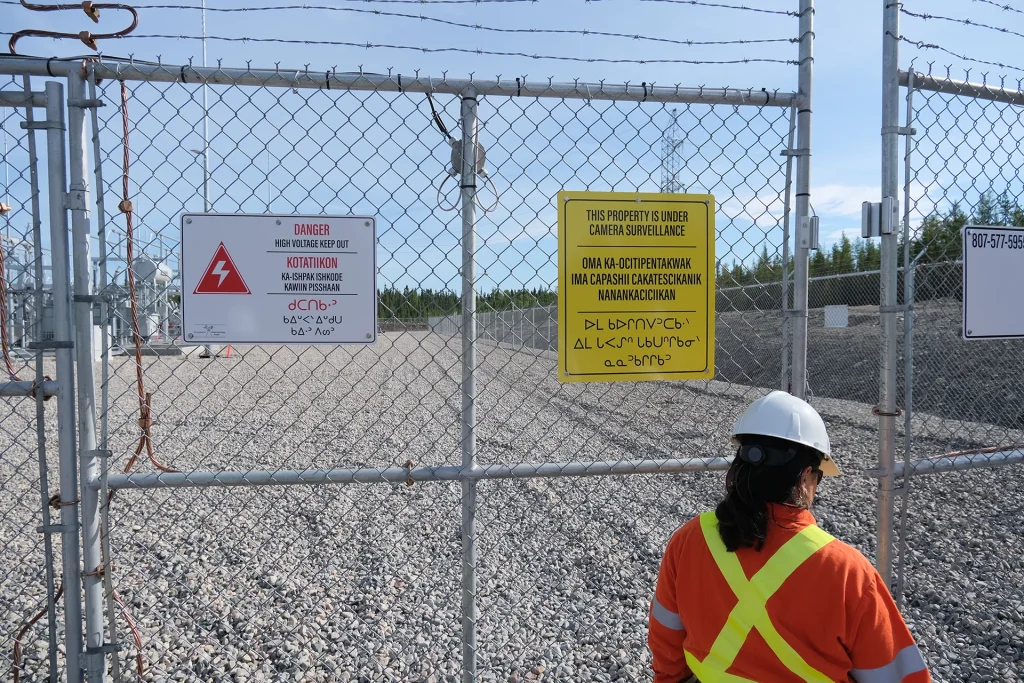
Hazards
Report any hazards to Hydro One Remote Communities. Some examples of non-emergency hazards you may see include:
- Missing or broken guywire guard
- Animal activity inside fenced substation
- Vandalism and graffiti
- Damage to hydro poles (wooden poles within the community)