Operational Programs
IMER
Learn More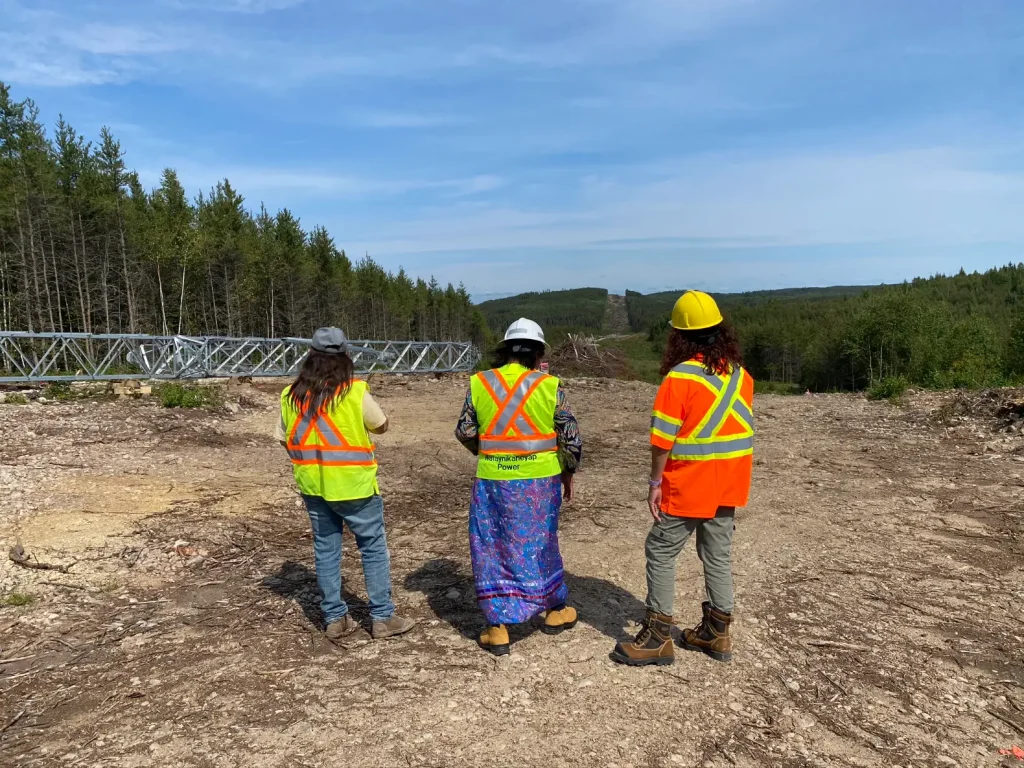
First Nation Participation
Learn More
Bamijikewin
Learn More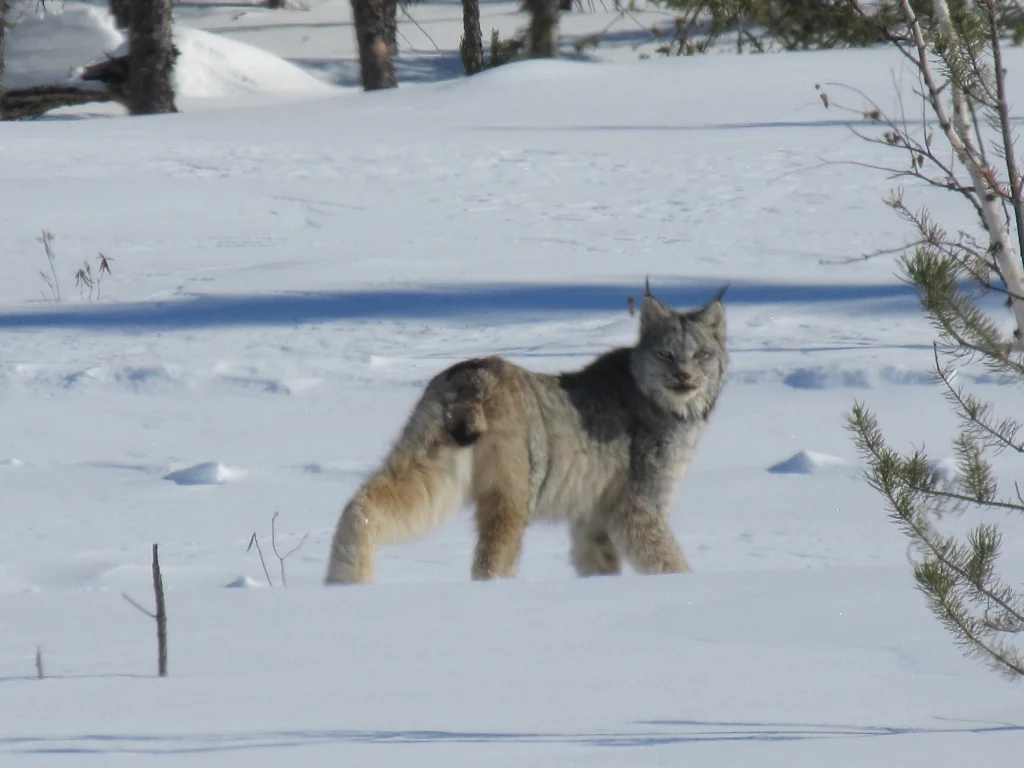
Environmental Monitoring
Learn MoreThere are many further areas that support the operation of a transmission system, for example: health and safety, finance, procurement, administration, regulatory affairs, workforce development, human resources, IT, communications, policy development, capital planning, land access, and real-time operations. Hydro One Networks Inc. currently performs the control room function of the Wataynikaneyap Power transmission system.
Risk Management
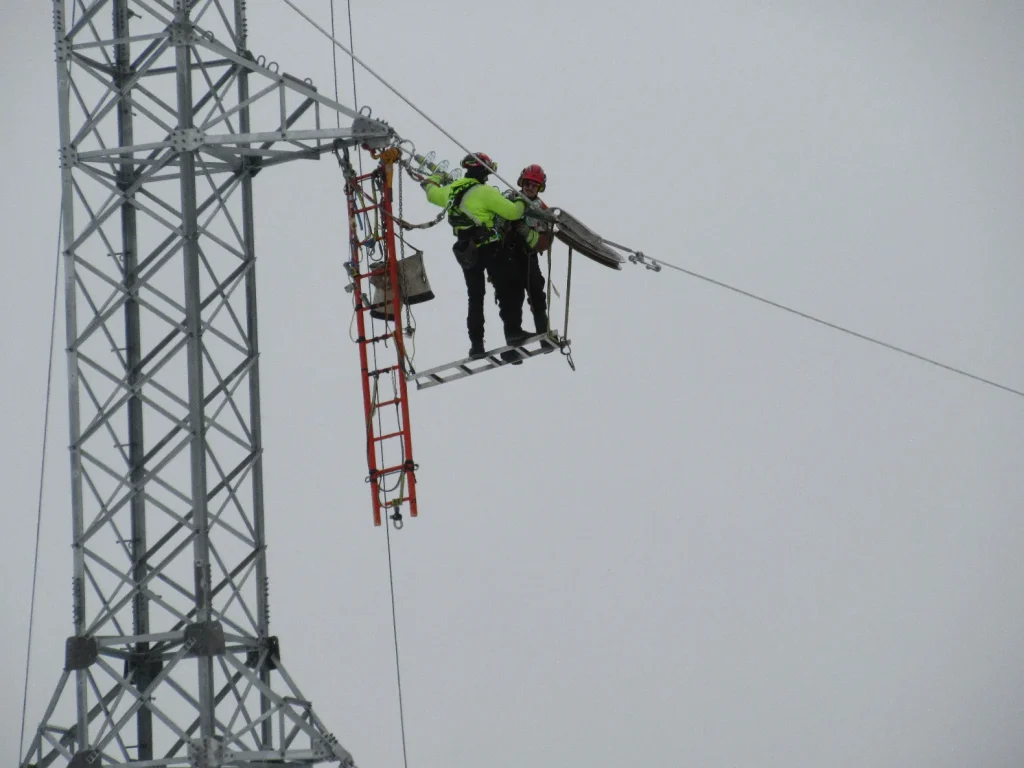
The Wataynikaneyap Power transmission system was designed with strong safety features to protect critical assets and reduce outage risks. Its vast and remote footprint requires more extensive planning, monitoring, and preventative maintenance than typical transmission systems.
Access for inspections, repairs, and emergency response often requires helicopters and offroad vehicles. Natural risks such as lightning, extreme cold weather, high winds, wildfires, and dense brush in the Right of Way (bamijikewin) are also more challenging to manage in a remote, large geographical area.
Inspection, maintenance, and emergency preparedness activities are critical given the system’s remoteness, radial configuration, and the broad geographic area and the First Nations it serves—factors that make Wataynikaneyap Power a uniquely-operated transmitter in Ontario.
Access to land requires appropriate engagement and communication with Land Keepers and the communities. Part of risk management is providing proper notifications to the Land Keepers and community members in order to access the Homelands.